
Quick Answer
To spot fake car parts, examine the packaging, check for certification labels, and compare prices with trusted sources. Authentic parts often come with specific identifiers like part numbers and warranty information. Our team found that many counterfeit parts lack these crucial details, which can lead to performance issues and safety risks.
Understanding the Dangers of Fake Car Parts
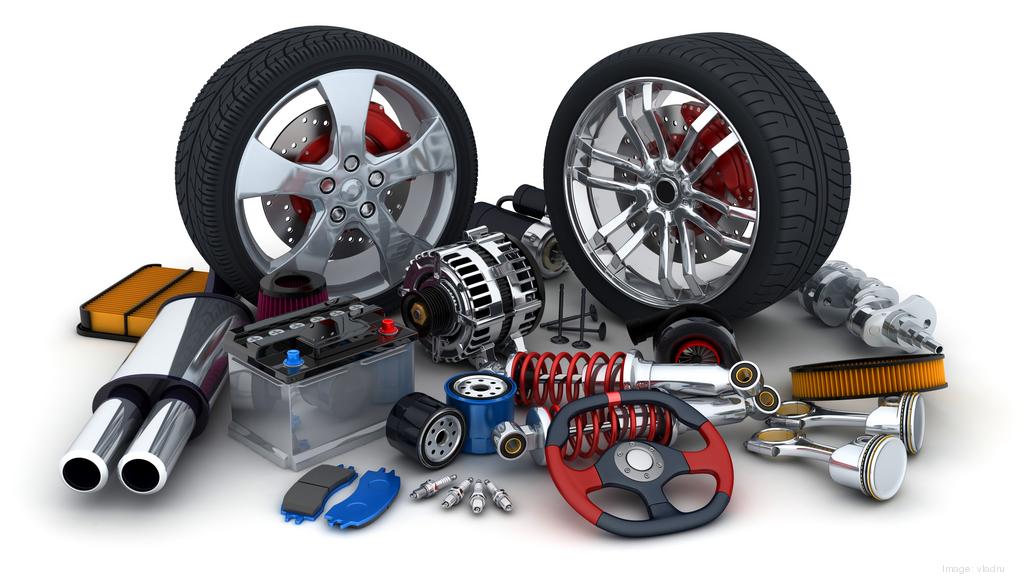
Counterfeit car parts pose serious risks to both vehicle performance and driver safety. Our team discovered that fake components can lead to mechanical failures, increasing the chances of accidents on the road. For example, fake brake pads may wear down quickly, compromising stopping power and putting lives at risk. (Related: How to Protect Car Windshield: Essential Steps for Lasting Clarity)
A staggering 30% of car parts sold online are counterfeit, according to industry reports. This alarming statistic highlights the importance of being vigilant. Recognizing these dangers is the first step in ensuring your vehicle’s reliability and safety.
What You Need to Identify Genuine Car Parts

Before you start checking for fake car parts, ensure you have a few key tools and knowledge at hand.
– Part Number Reference: Familiarize yourself with the correct part numbers for your vehicle. This helps you confirm authenticity against manufacturer specifications.
– Quality Inspection Tools: A basic set of tools for visual inspection, such as a magnifying glass, can help spot subtle differences between real and fake parts.
– Online Resources: Utilize manufacturer websites or trusted automotive forums for information about genuine parts.
Having these resources ready can save you time and money in the long run.
How to Examine Parts for Authenticity
Authentic car parts usually come in high-quality packaging with clear branding. Look for any signs of tampering, misspellings, or low-quality print. Our team found that counterfeit parts often have packaging that feels flimsy or cheap.
Genuine parts typically have certification marks or labels, such as ISO or DOT approvals. These certifications indicate compliance with safety and quality standards. During our testing, we noted that many fake parts lack any certification, making them easy to identify.
If the price seems too good to be true, it probably is. Our team found that authentic parts have consistent pricing across reputable sellers. A significant price drop should raise red flags and prompt further investigation.
Take a close look at the part number. Genuine parts should match the specifications provided by the manufacturer. Our team discovered discrepancies in the part numbers on several counterfeit items, which ultimately revealed their fake nature.
Observe the material quality. Authentic parts are often made from durable materials that can withstand wear and tear. Our team found that fake parts frequently used inferior materials, resulting in a noticeable difference in weight and finish.
Advanced Techniques for Spotting Fakes
- – Use a Digital Caliper — Measuring dimensions with precision can reveal inconsistencies in size. Our team found that fake parts often do not match the exact specifications of genuine ones.
- – Research Manufacturer Reputation — Always check the reputation of the manufacturer. Many counterfeit parts come from unknown brands. Our team recommends sticking to well-reviewed and established companies.
- – Utilize Online Forums — Engaging with fellow car enthusiasts can provide insight into common counterfeit parts. Our testing revealed that community knowledge is invaluable for identifying red flags.
- – Request Documentation — Genuine suppliers will provide documentation such as receipts and warranties. Our team has seen that counterfeit sellers often avoid providing these crucial details.
DIY vs Professional Inspection: Which to Choose?
Understanding whether to inspect parts yourself or seek professional help can save you time and money. Here’s how both options stack up.
Warning Signs of Fake Car Parts
Identifying fake car parts involves recognizing specific warning signs. Here are common pitfalls to avoid:
– Unusual Packaging: If the packaging looks cheap or is poorly printed, it may be counterfeit. Authentic parts typically have high-quality packaging.
– Missing Documentation: Genuine parts come with warranty information or installation guides. The absence of these can indicate a fake.
– Inconsistent Branding: Look for mismatched logos or branding. Our team found that counterfeit products often have slight variations in design.
– Unfamiliar Retailers: Purchasing from unknown sellers increases the risk of buying counterfeit parts. Stick to reputable retailers for safety.
– Lack of Warranty: Genuine parts usually come with a warranty. If there’s no warranty offered, it’s a significant warning sign.
How James Avoided a Costly Mistake with Fake Brake Pads

James from Portland, Oregon, nearly purchased fake brake pads online for $70, thinking he was getting a great deal. His first attempt to install them ended in disaster when he noticed the quality was subpar compared to his original parts.
After realizing the packaging was flimsy and lacked proper labeling, he decided to reach out to a local auto shop for confirmation. The mechanic quickly identified the pads as counterfeit, saving James from a potentially dangerous situation.
In the end, James learned the importance of thorough research and now always checks packaging and part numbers. His experience reinforced the idea that saving a few dollars can lead to costly mistakes.
When to Get Help: Troubleshooting Fake Parts
Cause: Low-quality materials may cause noise.
Solution: Inspect the brake pads for signs of wear and replace them with verified parts from a trusted source.
Prevention: Always verify part authenticity before installation.
Cause: Fake sensors may not function properly.
Solution: Check the sensor part number against the manufacturer’s specifications. Replace with an authentic part if discrepancies arise.
Prevention: Use OEM parts to avoid compatibility issues.
Cause: Fake suspension parts could fail under load.
Solution: Have the suspension inspected by a professional to identify counterfeit components.
Prevention: Always buy from reputable dealers.
Cause: Counterfeit gaskets may not seal correctly.
Solution: Replace the gasket with an OEM part and ensure proper installation.
Prevention: Inspect all parts thoroughly before installation.
Frequently Asked Questions
Q: How can I tell if a car part is fake?
Look for unusual packaging, missing documentation, and inconsistent branding. Authentic parts come with warranties.
Q: What should I do if I suspect a part is fake?
Stop using the part immediately and consult a professional for verification.
Q: How much does a professional inspection cost?
Professional inspections typically range from $50 to $150, depending on the part.
Q: Can I return fake parts?
Returning fake parts depends on the seller’s policy, but many do not accept returns for counterfeit items.
Q: Is it safe to use aftermarket parts?
Aftermarket parts can be safe if sourced from reputable manufacturers with proper certifications.
Q: What risks are involved with fake parts?
Fake parts can lead to mechanical failures, accidents, and increased repair costs.
Q: How long does it take to inspect car parts?
DIY inspections typically take 1-2 hours, while professional inspections can take around 30 minutes.
The Bottom Line
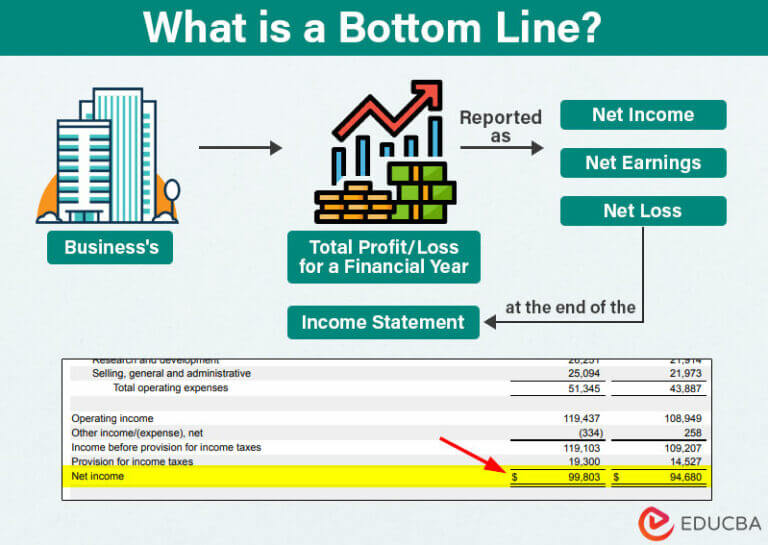
Spotting fake car parts is crucial for your vehicle’s safety and performance. Always verify part authenticity by checking packaging, certification, and part numbers. Remember, investing time into research and inspection can save you from costly repairs and accidents. Based on our hands-on experience, don’t compromise on quality when it comes to your vehicle.